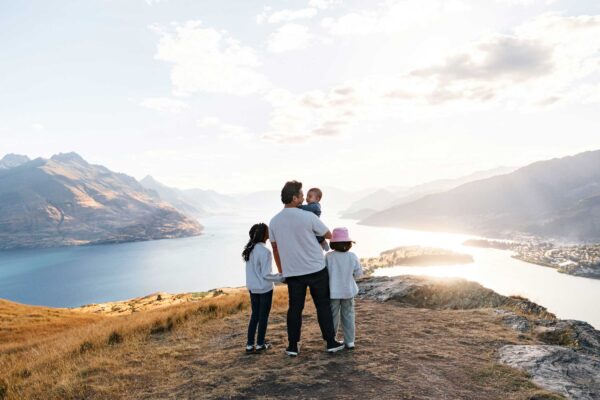

Every family is different
There is no one way to farewell someone.
Some families want a formal funeral or tangi. Some want a private cremation followed by a memorial later. Some want time for whānau to gather before decisions are made. Others may be guided by religious, spiritual or cultural practices.
Direct cremation can work well for many families, but it is important to make sure it fits the needs of the person who has died and the people closest to them.
If you are unsure, take a moment to talk with family, whānau, elders, kaumātua, faith leaders or cultural advisors before arranging.
Questions to ask before arranging
Before choosing direct cremation, it can help to ask a few simple questions.
- Did the person who died leave any wishes about cremation, burial or funeral arrangements
- Are there cultural, spiritual or religious practices that need to happen before cremation
- Does whānau or family need time to gather before decisions are made
- Is there someone, such as an executor, elder, kaumātua or faith leader, who should be included in the conversation
- Would a memorial or gathering later meet the needs of the family
- Are there any important items, clothing, prayers, rituals or family customs to consider.
You do not need to know every answer before you call us. We can explain the direct cremation process and help you understand what decisions may need to be made.
Whānau involvement
For many families and whānau, decisions after a death are not made by one person alone.
There may be people who need to be contacted, views that need to be heard, or time needed for everyone to understand what is happening.
Direct cremation can still allow families to farewell in their own way, but the timing may matter. If whānau need time together before the cremation, or if there are cultural practices that should happen first, it is best to talk this through early.
If you are arranging on behalf of others, it can help to check that the people closest to the person who died understand what direct cremation includes and what it does not include.
Māori cultural considerations
For Māori whānau, tangihanga, tikanga, whakapapa, whenua and whānau involvement may be important parts of farewell.
Direct cremation may not suit every whānau or every situation. In some cases, there may be expectations around time with the tūpāpaku, gathering on a marae, karakia, kōrero, burial, cremation timing or decisions made collectively by whānau.
If tikanga is important in your situation, we encourage you to speak with kaumātua, whānau leaders or the people who guide cultural decisions for your whānau.
Value Cremations can explain the direct cremation process clearly, but we will not assume what is right for your whānau.
Pasifika family and community needs
For many Pasifika families, faith, extended family, church community, prayer, music, food and time together can be important after someone dies.
There may be people to contact, family discussions to have, or church and community expectations to consider before arranging a cremation.
Direct cremation may still be an option, especially if the family wants a simpler cremation followed by a gathering later. It is worth taking time to talk with close family, church leaders or community elders if their guidance is important.
The main thing is that the arrangement feels right for the person who has died and the people who love them.
Religious and spiritual considerations
Some religions and spiritual traditions have specific views or practices around death, cremation, burial, prayer, timing, washing, dressing, viewing, family presence or final rites.
If faith or spiritual practice is important, speak with the right person before arranging. This may be a minister, priest, imam, rabbi, elder, spiritual advisor, celebrant or community leader.
Questions that may help include:
- Is cremation accepted within this faith or tradition
- Does anything need to happen before cremation
- Is there a preferred timeframe
- Are there prayers, blessings or rituals that should be arranged
- Does the family need time with the person who has died first.
Direct cremation is simple, but it may not include the time, gathering or practices some traditions require. It is better to ask early than feel rushed later.
Time to gather or say goodbye
Direct cremation does not include a funeral service, viewing or formal gathering as part of the standard package.
For some families, that is exactly what they want. For others, time together before the cremation may be important.
If your family needs time to gather, say goodbye, pray, hold a blessing, or follow a cultural custom before the cremation, call us before arranging online. We can explain what direct cremation includes and what may need to be considered.
Some families choose direct cremation first and hold a memorial later. Others may decide that a more traditional funeral or service is a better fit.
Both choices are valid.
Holding a memorial later
Direct cremation does not mean there is no farewell.
Many families choose to hold a memorial later, once the ashes have been returned and they have had time to decide what feels right.
A later memorial could be:
- A gathering at home
- A shared meal with family and whānau
- A service at a church, marae, community hall or outdoor place
- A beach, garden or park gathering
- A scattering of ashes
- A private moment with close family.
A memorial later can give people time to travel, plan, speak with family, and create something personal.
Talking with family before deciding
If there are different views in the family, it can help to slow the decision down where possible.
Direct cremation is a practical option, but it is still a significant decision. Some people may feel strongly about a funeral service, burial, viewing or cultural practice. Others may feel direct cremation is the right choice.
Try to make sure the key people understand:
- Direct cremation is cremation without a funeral service attached
- A basic cremation casket is included
- An urn is not included in the standard package
- Ashes are returned after the cremation
- A memorial can still be held later
- Some cultural or spiritual needs may require extra planning.
If you need help explaining the process, we can talk it through with you.
When direct cremation may not be the right fit
Direct cremation may not be the right choice for every family.
It may not suit if:
- A formal funeral or tangi is important
- Family or whānau need time with the person before cremation
- A viewing, service or gathering needs to happen before cremation
- Cultural or religious practices require extra steps before cremation
- There is disagreement in the family about what should happen
- The person who died clearly wanted a different arrangement.
If any of these apply, it may be worth speaking with a funeral director, cultural advisor, faith leader or trusted family representative before choosing direct cremation.
How Value Cremations can help
Value Cremations provides simple direct cremation across New Zealand.
We can explain what the service includes, what it does not include, and what happens from first contact through to ashes being returned.
If you have cultural, spiritual or whānau considerations, please tell us early. We can listen, explain the process, and help you understand whether direct cremation is likely to fit your situation.
We will not pressure you to decide. Our role is to make the process clear so you can choose what feels right.
Arrange online or call 0800 825 832.
Common questions
Can direct cremation work with cultural or spiritual needs?
Sometimes, yes. It depends on the needs of the person who died, their family or whānau, and any cultural, spiritual or religious practices that should be followed. If you are unsure, speak with the right family, cultural or faith advisor before arranging.
Can whānau be involved in decisions?
Yes. Whānau can and should be involved where that is important. If decisions need to be made collectively, take the time you need where possible and call us if you would like the process explained clearly.
Can we still hold a memorial later?
Yes. Many families hold a memorial later, once the ashes have been returned. This can happen at home, outdoors, at a marae, church, community space, on family land, or somewhere meaningful.
What if we need time before cremation?
Call us before arranging online. We can explain what direct cremation includes, what timing may look like, and what questions to consider if family, whānau or cultural practices need to happen first.
Is direct cremation disrespectful?
No. Direct cremation is not disrespectful. It is one way to arrange a cremation. Respect comes from the care shown, the decisions made, and whether the arrangement feels right for the person who died and the people closest to them.
Ready when you are
You can arrange a direct cremation online, or talk to someone first. Either way, we will make it clear and simple.
You do not need to have everything worked out before you call.