
Direct cremation in a nutshell
Direct cremation is sometimes described as cremation without a funeral service.
With Value Cremations, this means we collect the person who has died, care for them respectfully, help organise the required documentation, arrange the cremation, and return the ashes to you.
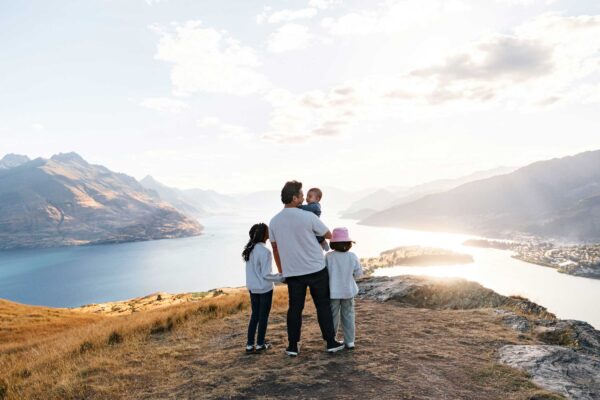
You do not need to organise a formal service unless you want to. Some families choose to gather later at home, outdoors, at a community space, on family land, or somewhere meaningful. Others prefer to keep things private and simple.
There is no right or wrong way to farewell someone.
How direct cremation is different from a traditional funeral
A traditional funeral usually includes a service, viewing, venue, flowers, notices, catering and other arrangements before or around the time of cremation or burial.
Direct cremation is different. The cremation is arranged first, without a funeral service attached. Families can then choose whether to hold a memorial later, in their own way and in their own time.
| Direct cremation | Traditional funeral |
| Cremation without a funeral service attached | Usually includes a funeral service or gathering |
| Fewer decisions upfront | More decisions about venue, service, flowers, catering and timing |
| One simple package | Costs vary depending on the choices made |
| Ashes are returned to the family | Farewell usually happens before or around the cremation |
| Memorial can happen later | Service usually happens at a set time and place |
Direct cremation is not a lesser choice. It is simply a different kind of arrangement.
Why families choose direct cremation
Families choose direct cremation for different reasons. For some, it is about keeping things simple. For others, it is about cost, timing, privacy or wanting a memorial that feels more personal.
Simplicity
When someone dies, there can be a lot to think about. Direct cremation keeps the first steps clear.
The cremation is taken care of without needing to organise a formal service straight away. That can be a relief for families who feel overwhelmed or who do not want to make lots of decisions quickly.
Cost clarity
Direct cremation is usually more affordable than a traditional funeral because it does not include a service, viewing, catering, flowers, venue hire or other service-related extras.
With Value Cremations, each region has a clear package price so families can understand what is included before arranging.
Time to decide what feels right
Some families need more time before deciding how they would like to gather.
Direct cremation gives families that space. The cremation can happen first, and a memorial or gathering can happen later if that feels right.
A farewell that suits the person
Not everyone wants a formal funeral. Some people prefer something smaller, more relaxed or more private.
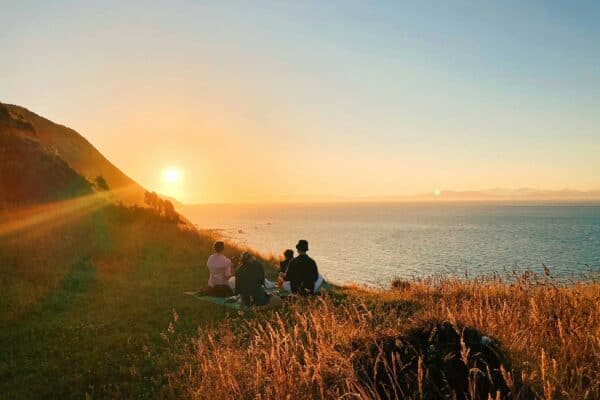
A memorial later can be simple and personal. It might be a shared meal, a walk somewhere meaningful, a gathering at home, a beach or garden memorial, or a quiet moment with close whānau.
Is it disrespectful not to have a funeral service?
No. Choosing direct cremation is not disrespectful.
A funeral service is one way to farewell someone, but it is not the only way. Many families find that direct cremation gives them more freedom to farewell in a way that feels natural to them.
Respect is shown through care, thoughtfulness and the choices families make. For some people, that means a formal funeral. For others, it means a simple cremation followed by a private gathering, memorial, scattering of ashes, or quiet time together later.
What matters is that the person is cared for with dignity and that the family has the space to make the choice that feels right.
Can you still have a memorial later?
Yes. You can still have a memorial after direct cremation.
Many families choose to hold a memorial once the ashes have been returned. This gives them time to talk with family and whānau, choose a meaningful place, and plan something that suits the person who has died.
A later memorial could be:
- A gathering at home
- A picnic or shared meal
- A beach, garden or outdoor memorial
- A whānau-led gathering
- A scattering of ashes
- A private moment with close family
- A larger celebration at a later date
You do not have to decide straight away.
Is direct cremation legal in New Zealand?
Yes. Direct cremation is legal in New Zealand.
The same legal and documentation requirements still apply. The death must be properly certified and registered, and the required cremation paperwork must be completed before the cremation can take place.
If you use a cremation provider or funeral director, they will guide you through what information is needed and help organise the required documentation.
Direct cremation simply means there is no funeral service attached to the cremation arrangement.
What happens to the person who has died?
The person who has died is collected and brought into care. They are looked after respectfully while the required paperwork and cremation arrangements are completed.
A basic cremation casket is provided as part of the direct cremation package. Once the paperwork is complete, the cremation is arranged through a crematorium in the relevant region.
After the cremation, the ashes are returned to the family.
You do not need to attend the crematorium for a direct cremation. We take care of the arrangements and keep the process clear, so you know what happens next.
Direct cremation, cremation with service, and burial
There are several different ways to arrange a farewell:
- Direct cremation means the cremation happens without a funeral service attached. Families can hold a memorial later if they choose.
- Cremation with a service usually means there is a funeral, chapel service, viewing or gathering before or around the time of cremation.
- Burial means the person is buried in a cemetery or urupā, usually with a service or gathering before or at the time of burial.
The right choice depends on the person who has died, their wishes, family needs, cultural or spiritual considerations, budget and timing.
Direct cremation can be a good option for families who want the practical arrangements handled simply, without the pressure of organising a formal service straight away.
Who direct cremation may suit
Direct cremation may suit families who:
- Want a simple cremation without a funeral service.
- Need time before deciding how to farewell someone.
- Want to keep costs clear and manageable.
- Prefer a private or whānau-led farewell.
- Know the person did not want a formal funeral.
- Live in different places and need time to gather.
- Want a memorial later, in a more personal setting.
It may not suit every family, and that is okay. Some families want a traditional funeral or service straight away. Others prefer the simplicity and flexibility of direct cremation.
The best choice is the one that feels right for your situation.
Common questions about direct cremation
Can you just have a cremation and no service?
Yes. This is called direct cremation. It means the cremation is arranged without a funeral service, viewing or formal gathering attached.
Do you get a casket with direct cremation?
Yes. A basic cremation casket is included as part of the direct cremation package.
Are ashes returned to the family?
Yes. After the cremation, the ashes are returned to the family. You can then decide what you would like to do next.
Do we need to buy an urn?
An urn is not included in the standard direct cremation package. Ashes are returned in a simple container, and you can choose to buy an urn later if you would like one.
Can family attend the cremation?
Direct cremation does not include an attended service or gathering as part of the standard package. If you are unsure what your family needs, call us and we can talk through what is possible.
If you would like a simple cremation
If you would like to arrange a direct cremation, Value Cremations can help.
We provide a simple, all-inclusive cremation service across New Zealand. We collect the person who has died, help organise the required documentation, arrange the cremation and return the ashes to you.
You can arrange online, or call us if you would rather talk to someone first.
You do not need to have everything worked out before you call. We can explain the next step and what information is needed.